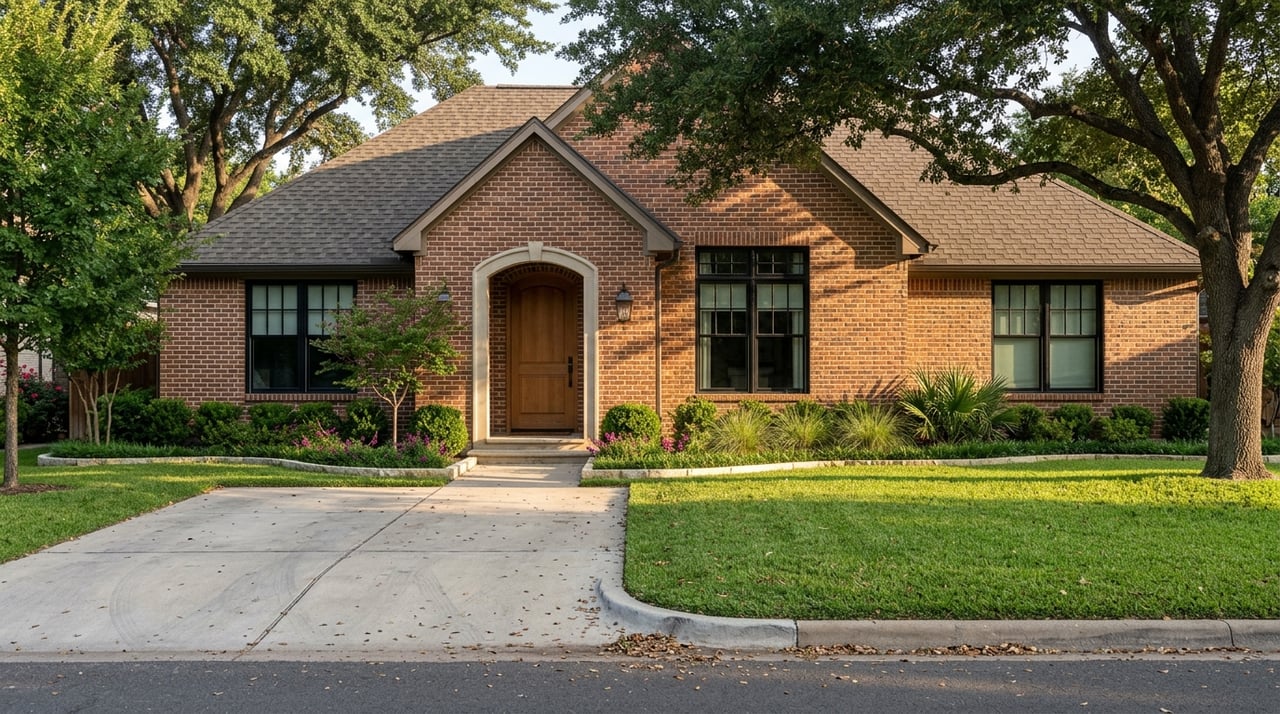
If you are deciding between a newer home and an established one in Circle C Ranch, you are asking the right question. This neighborhood is not one uniform subdivision, and that matters more than many buyers realize. Your best choice depends on how you weigh layout, lot feel, maintenance, and long-term fit. Let’s dive in.
Circle C Ranch Has Multiple Build Eras
Circle C Ranch began as a master-planned community in the 1980s and spans more than 1,200 acres. Public-record snapshots show a median year built of 2001 and a median lot size of 7,840 square feet. In practical terms, that means Circle C is largely a resale market with a broad mix of home ages and section styles.
The key thing to know is that Circle C was built in phases. Homeowners are subject to the master deed restrictions, but section-specific amendments also apply. So when you compare a newer home to an established home, you are often comparing not just age, but a different section, ruleset, lot pattern, and street feel.
What Counts as Newer or Established
In Circle C, established homes usually mean homes in the original core and earlier phases. Local buyer guides often group areas such as the original Circle C Ranch, Circle C West/Hielscher, Wildflower Park, and Park Place into that category. These sections generally date from the late 1980s through the mid-2000s.
Newer homes in Circle C usually mean later-phase or infill product, not brand-new construction. Later sections often include areas such as Enclave, Enclave Estates, Fairway Estates, Alta Mira, Avana, Cornerstone, Barstow Court, and Greyrock Ridge. Some of these are small enclaves, some are gated, and some offer a more modern design profile.
Established Homes: What Buyers Often Like
Mature Streets and Landscaping
One of the biggest draws of established areas is the setting. Buyers often notice more mature trees, more rooted landscaping, and a streetscape that feels settled over time. Some local descriptions also note wider streets in the more established front part of the neighborhood.
If outdoor character matters to you, this can be a real advantage. A home may feel more private or visually softened by landscaping that has had years to grow in.
Traditional Architecture and Character
Established Circle C homes often lean traditional in style. Common exterior materials in the neighborhood include white limestone, stucco, and brick, with a stately, classic look that appeals to many buyers.
Inside, these homes may offer a different floor plan style than later builds. Depending on the specific property, you may see more defined rooms and a layout that reflects the design priorities of its build era.
Potential for Updates Already Done
An established home is not always an outdated home. In a resale-heavy community like Circle C, some owners have already updated kitchens, flooring, windows, baths, or mechanical systems over time.
That can create a useful middle ground. You may get the benefit of a mature lot and established setting without taking on every improvement project yourself.
Newer Homes: What Buyers Often Like
More Contemporary Layouts
Later-phase homes in Circle C often feel more current in how they live day to day. You are more likely to see open layouts, flex spaces, bonus areas, and kitchen designs that match how many buyers use their homes now.
If you want a home that feels move-in ready from a layout standpoint, a newer section may be a better match. This can be especially appealing if you work from home or want more adaptable living space.
Different Enclave and Privacy Options
Newer Circle C sections are not all the same, which is important. Some later-phase homes sit in small, intentionally limited enclaves such as Cornerstone or Barstow Court. Others are in gated sections, including areas like Enclave Estates.
That means newer can sometimes offer a different privacy profile rather than simply a newer finish level. In some sections, buyers may prefer the smaller scale or gated setting, while others may want a more open neighborhood feel.
Less Immediate Renovation Pressure
Many buyers look at newer homes because they want fewer near-term projects. That can be a smart reason to focus your search on later-phase homes, especially if you want to reduce the chance of tackling cosmetic or functional updates right after closing.
Still, newer does not automatically mean carefree. Condition varies by property, and every home should be evaluated on its own current systems, upkeep, and improvement history.
Lot Size and Street Feel Matter More Than Labels
A common assumption is that established homes have larger lots and newer homes have smaller ones. In Circle C, that is not always true. The neighborhood median lot size is 7,840 square feet, but section-by-section differences can be significant.
For example, some later-phase properties in Avana Estates have been listed on half-acre lots in a gated enclave of only 20 homes. At the same time, other newer pockets are much smaller by design, including compact enclaves with a limited number of homes.
The takeaway is simple: do not use age as a shortcut for lot size, privacy, or yard usability. Compare each section directly, and compare each home within that section as its own opportunity.
Maintenance Is About More Than Age
HOA Standards Apply Across Circle C
In Circle C, maintenance is shaped by both the home itself and the community standards around it. The HOA expects homes to remain clean and attractive, lawns mowed, debris removed, shrubs pruned, and trees cleared over the right of way.
So even if you buy a later-phase home, exterior upkeep does not disappear. If you prefer a low-maintenance lifestyle, the better question is not just how old the house is, but how much outdoor work and exterior responsibility you want over time.
Exterior Changes Need Review
Another important factor is approval for changes. Exterior updates such as paint or roofing color, decks, patio covers, pools, fencing changes, and extensive landscaping require ACC review, which can take up to 30 days.
That matters whether you are buying an established home that may need changes or a newer home you hope to personalize. If your plan includes noticeable exterior work, the neighborhood process should be part of your decision.
A Useful Middle Ground Exists
Some sections may offer a balance between the two extremes. Wildflower Park, for example, is often described as old enough for mature landscaping but new enough that it may not need as much work as older inventory.
There are also specialized options like Park West, which has been described as a gated garden-home community suited to buyers seeking minimal maintenance. These in-between choices can be worth a close look if you want balance rather than a strict older-versus-newer choice.
Energy Efficiency: Look Past the Year Built
It is reasonable to expect later-phase homes to start from a newer code baseline. Austin now uses updated 2024 technical building codes, including the IRC and IECC, effective July 10, 2025. That can shape how buyers think about construction standards over time.
At the same time, Austin Energy’s ECAD ordinance applies to most homes in Austin city limits and the Austin Energy service area that are 10 years old or older. That means many established Circle C homes may fall into ECAD disclosure at sale, and some newer Circle C homes are now old enough to fall into that bucket too.
The smart move is to compare actual efficiency features and update history, not just the build year. Age can point you in a general direction, but it does not guarantee lower utility use or newer-performing systems.
HOA Dues and Amenities Should Be Part of the Math
Circle C offers a strong amenity structure, and buyers should understand how that fits into ownership costs. The 2026 budget materials show homeowner dues at $962 through the master HOA, billed in two installments.
Residents need Pool Tags to use aquatic facilities, can bring up to six non-resident guests per household, and must be current on assessments to access the pools. Circle C also includes seven gated communities, and those sections have their own additional gated-association dues for maintenance, repairs, and additions inside the gates.
So if you are comparing a newer gated home with an established non-gated home, be sure to compare both the property and the ownership structure. The dues, rules, and amenity expectations may not be identical.
How to Choose the Right Fit
If you are drawn to mature trees, a settled street feel, and the chance to buy a home with updates already completed over time, an established section may fit you best. If you prefer more contemporary layouts, potentially fewer immediate projects, or a smaller enclave or gated setting, a newer section may be the stronger match.
The most effective strategy is to match your search to your priorities instead of using age alone. Focus on your budget, desired yard size, privacy level, and maintenance tolerance first. Then compare the Circle C sections that align with those goals.
That kind of side-by-side analysis is where strong local guidance really matters. If you want help sorting through Circle C’s phases, gated pockets, and resale options, Mahshid Caras can help you evaluate the tradeoffs clearly and make a decision that fits your goals.
FAQs
What is the difference between newer and established homes in Circle C Ranch?
- Established homes are usually in earlier phases from the late 1980s through the mid-2000s, while newer homes are typically later-phase or infill homes in sections such as Avana, Enclave, or Fairway Estates.
Do all Circle C Ranch homes follow the same HOA rules?
- No. Circle C has master HOA rules that apply broadly, but section-specific deed restrictions also apply, and gated communities may have additional rules and dues.
Are newer Circle C Ranch homes always more energy efficient?
- Not always. Later-phase homes may start from a newer code baseline, but actual efficiency depends on the home’s upgrades, systems, and disclosure history.
Do established homes in Circle C Ranch usually have larger lots?
- Not necessarily. Circle C has a wide range of lot sizes, and some later-phase homes are on large lots while some newer enclaves are intentionally compact.
What maintenance should buyers expect in Circle C Ranch?
- Buyers should expect ongoing exterior and landscape upkeep, since the HOA requires homes to remain clean, attractive, mowed, and well maintained regardless of age.
Are there extra dues in gated parts of Circle C Ranch?
- Yes. Gated communities remain under the master HOA and also have their own additional gated-association dues for maintenance, repairs, and additions inside the gates.